
Showrunner AI: “Netflix of AI” That Lets Anyone Be a Showrunner
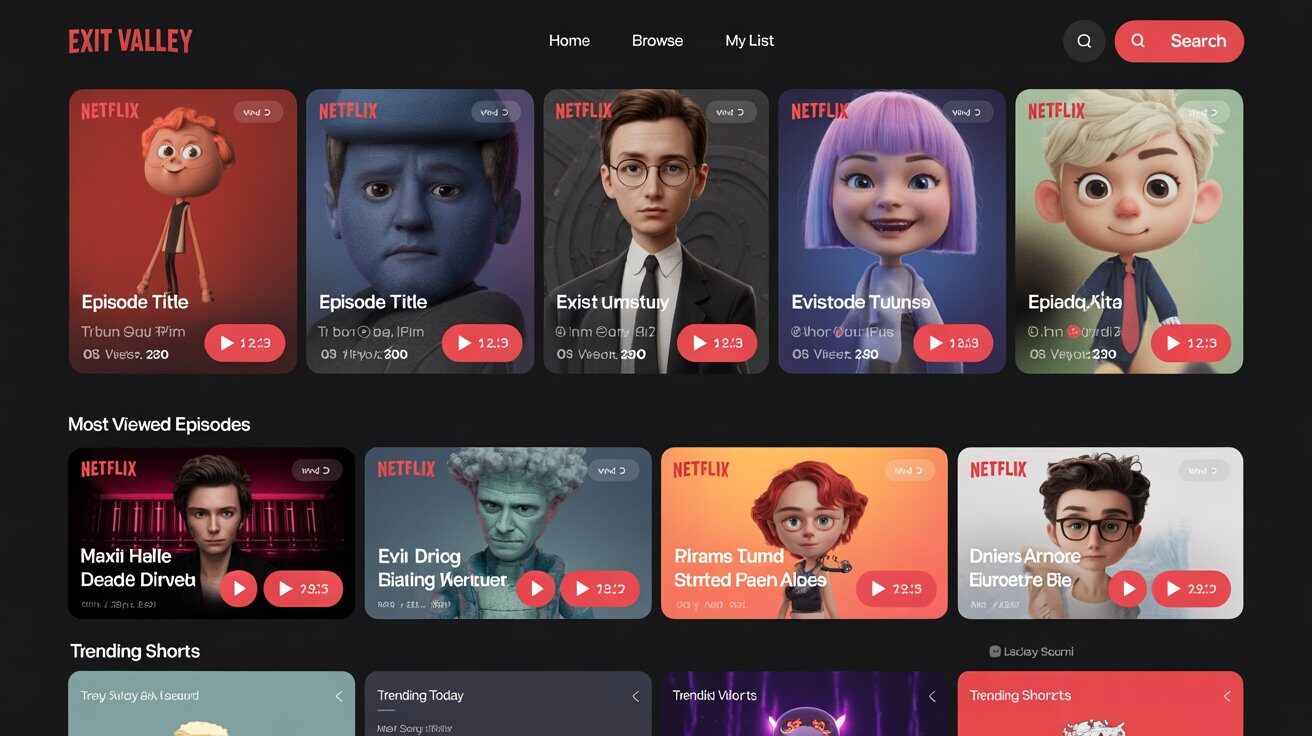
Showrunner AI is an early but powerful attempt to let anyone create fully fledged animated TV episodes simply from a text prompt. Developed by Emmy-winning Fable Studio, the system has already demonstrated viral‐scale South Park–style animations, satirical originals like Exit Valley, and interactive creator tools—while backing from Amazon signals serious creative and business ambition. Introduction: Reimagining […]
Google Vids: Revolutionizing Video Creation with AI in Workspace
Introduction Google Vids is Google’s AI-powered video editor integrated into Google Workspace. Since its debut in April 2024, this tool has evolved dramatically—now offering capabilities like turning images into animated clips, creating AI avatars, and automating editing tasks. With over one million monthly active users, it’s becoming a go-to solution for professionals and creative individuals […]
Why Hamburg Companies Should Invest in AI Now

The growing number of businesses and the rising demand from customers our Clients in Hamburg are creating a need for an AI agency in the city. These companies offer constant support to businesses our Clients in Hamburg. From 2025 to 2030, we expect the German artificial intelligence market to grow at a compound annual growth […]
Karen Hao: Empire of AI — A Critical Examination of OpenAI’s Influence, Ideology, and Impact

All empires throughout history have been founded on an ideology-an inspiring and justifying principle on which to expand the empire. For European colonial powers, it was Christianity and the hope of salvation, all the while they pumped their own version of resources and transformed societies. For the modern AI empire, the ideology is artificial general […]
Zopa: AI in Banking—£1.8 Billion Saved, 27,000 Jobs at Risk

Generative AI is reshaping UK banking at an unprecedented pace. According to a collaborative analysis from Zopa, the digital bank, and Juniper Research, projected investments by 2030 are expected to reach £1.8 billion—mirroring anticipated cost reductions and delivering a full return on every pound spent. Yet beneath the financial upside lies a profound human cost: […]
Huawei’s Open-Source AI Push at Huawei Connect 2025: What It Means for the Developer Ecosystem

At Huawei Connect 2025, the company made some bold promises: Huawei plans to have opened much of its AI software stack, from compiler toolchains to foundation models, by December 31, 2025, thereby aligning itself openly with the large AI community. Rather than vague promises, Huawei laid out timelines, technical scopes, and integration strategies aimed at […]
AI Agents in Beauty Salons: Turning Missed Calls into Booked Clients

For many beauty salons and their owners, the problem is not demand, but managing the customer flow. In such an industry people always want to get service – hence the phone always rings. Clients want to make appointments, reschedule them, or find out prices. Staff are busy serving customers, so many calls go unanswered. And […]
Nothing’s Big Bet: $200M Series C, AI-Native Devices, and Moving Upmarket

Smartphone maker Nothing has just closed a $200 million Series C funding round, led by Tiger Global, at a $1.3 billion valuation, reflecting its growing ambitions in the AI-centric consumer electronics space. In this article, we explore its journey so far, its most recent device launches (especially Phone (3), its AI vision, competitive landscape, strengths, […]
AI-Assisted Interviews: Is Meta Bringing a New Standard?

There is not a day without big news from tech business leaders and new hiring programs from Meta are not an exception. The company behind Facebook and Instagram announced they’re letting job candidates use ChatGPT and other AI tools during coding interviews. This is definitely not a small policy change. Meta is trying a new […]
AI Voice Assistants in Real estate Management: Faster Verification Without Losing Trust
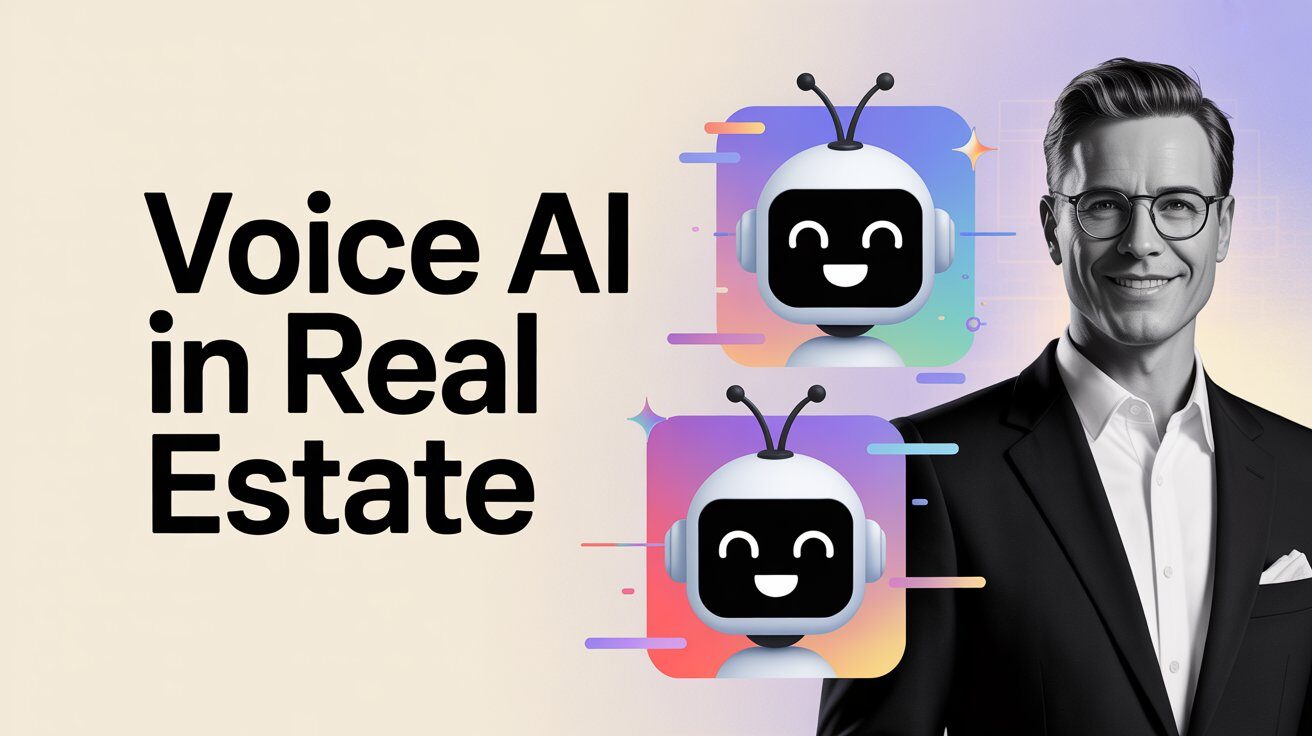
The reality in German property management offices is simple: the phone rings all day. Tenants call about broken heating, flooding, forgetting keys inside the apartment – all kinds of small to big issues. People calling are always stressed, they can’t give straight information and before you get to the actual problem, you spend five to […]