
Artificial intelligence is moving beyond just static automation and robotic chatbots. In 2026, businesses are deploying automation agents that specifically plan every task, call APIs, give reasons over data, collaborate with other functions, and continuously enhance performance. This impressive shift is enhancing the demand for robust development platforms that make agent orchestration practical and production-ready. Selecting among the best AI agent frameworks is not just a technical decision but is an aspect that critically affects cost control, scalability, compliance, and long-term adaptability.
With several tools available in the market, decision-makers are looking for better clarity and detailed understanding about every tool. In this article, you will be exploring the best AI agent frameworks in 2026 with their practical evaluation and comparison table.
What Makes a Strong AI Agent Framework?
Before reviewing the top AI agent frameworks, it is important to define evaluation criteria. Mature AI Agent Frameworks typically offer:
- Multi-step reasoning and planning capabilities
- Memory management (short-term and long-term)
- Tool and API integration
- Multi-agent orchestration
- Observability and logging
- Production-grade deployment support
- Cost optimization controls
- Security and compliance readiness
Many organizations now prefer AI agent frameworks open-source to maintain transparency and customization control. However, enterprise-managed solutions are also gaining traction for reliability and governance.
Top 10 Best AI Agent Frameworks in 2026
1. LangChain
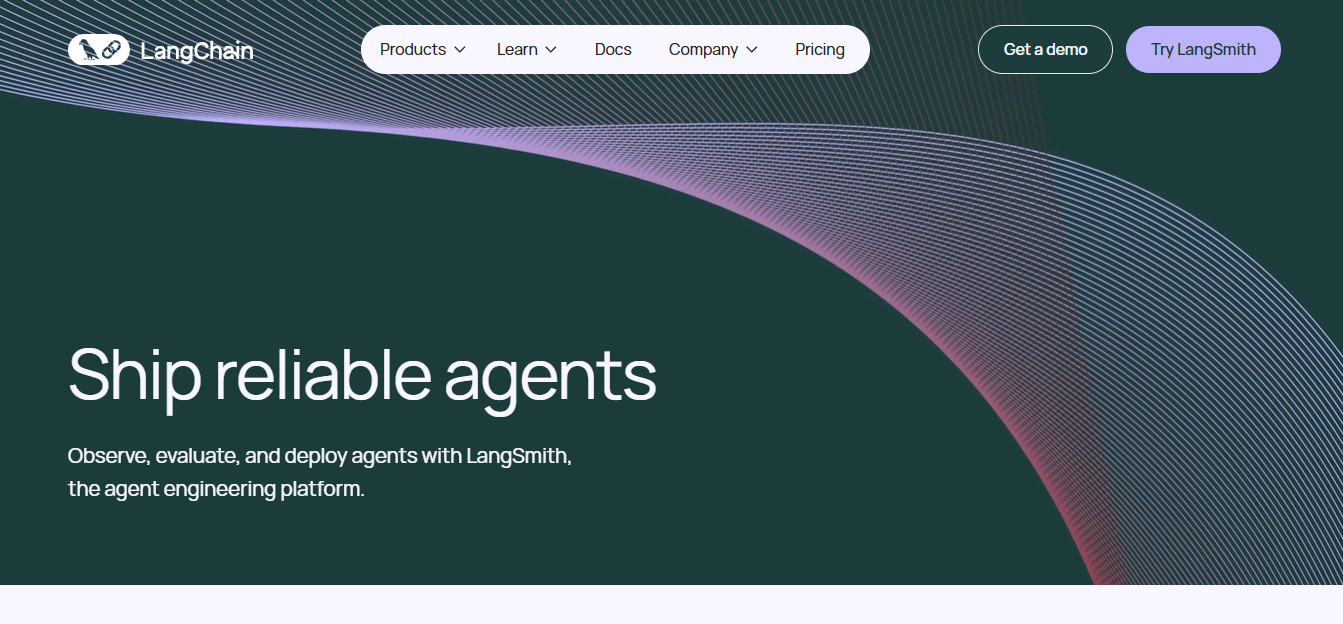
LangChain remains one of the Best AI Agent Frameworks for developers building modular AI applications.
Key Strengths:
- Strong ecosystem support
- Tool chaining and memory modules
- Extensive documentation
- Integrates with major LLM providers
Ideal For: Startups, product teams, rapid prototyping.
LangChain continues to lead among AI Agent Frameworks due to its flexibility and rapid innovation cycle.
2. Microsoft Semantic Kernel
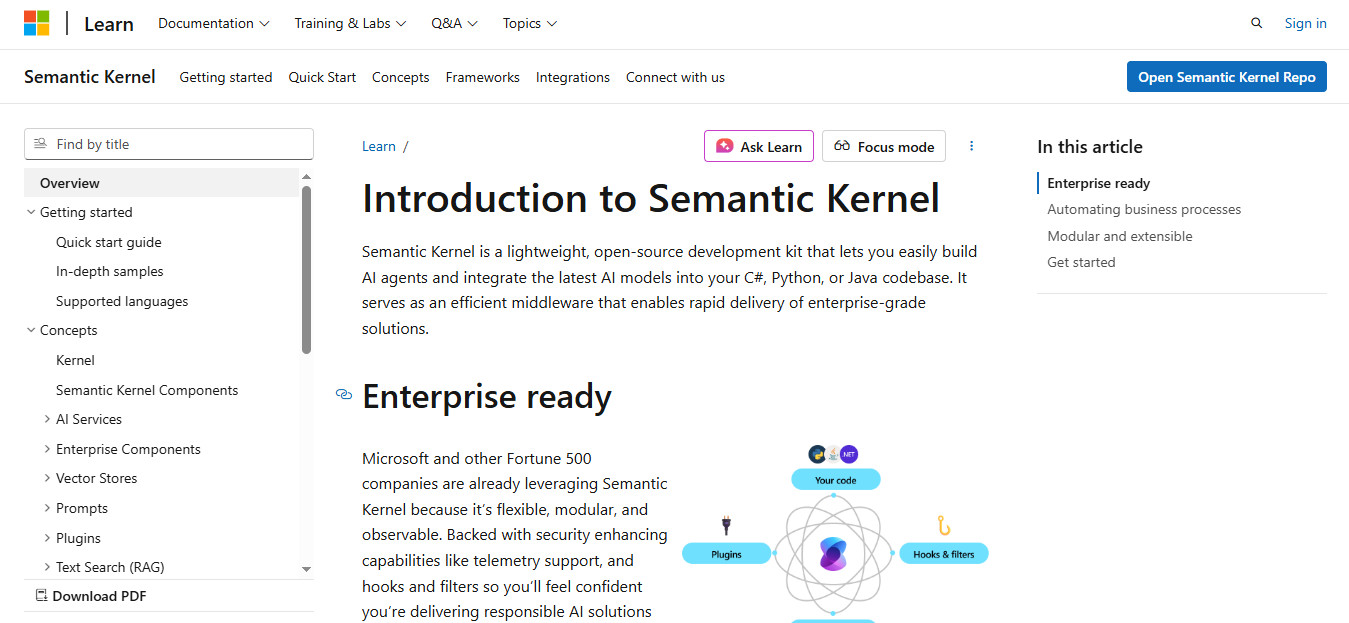
Semantic Kernel has matured into one of the Top AI agent frameworks for enterprise environments.
Key Strengths:
- Deep integration with Azure
- Structured plugin architecture
- Enterprise security compliance
- Strong orchestration capabilities
Ideal For: Large enterprises using Microsoft infrastructure.
It stands out in any serious AI agent frameworks comparison focused on production reliability.
3. AutoGen
Originally research-driven, AutoGen has evolved into one of the Best AI Agent Frameworks for collaborative agent systems.
Key Strengths:
- Multi-agent conversations
- Role-based agent coordination
- Strong experimentation capabilities
Ideal For: Research labs, advanced AI teams, innovation divisions.
AutoGen excels in environments requiring structured agent collaboration.
4. CrewAI
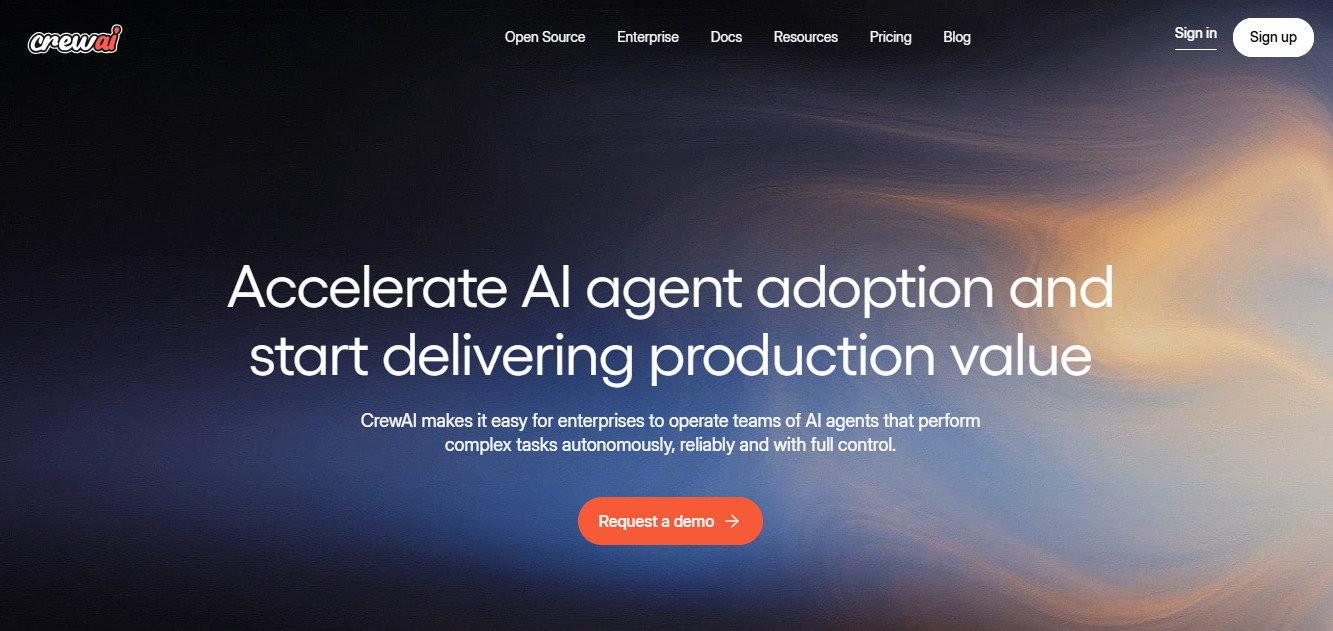
CrewAI focuses specifically on multi-agent teamwork, making it one of the Top AI agent frameworks for task delegation.
Key Strengths:
- Role-based agents
- Task assignment pipelines
- Lightweight structure
- High modularity
Ideal For: Workflow automation and marketing operations.
Its simplicity makes it attractive among emerging AI agent frameworks open-source options.
5. Haystack Agents
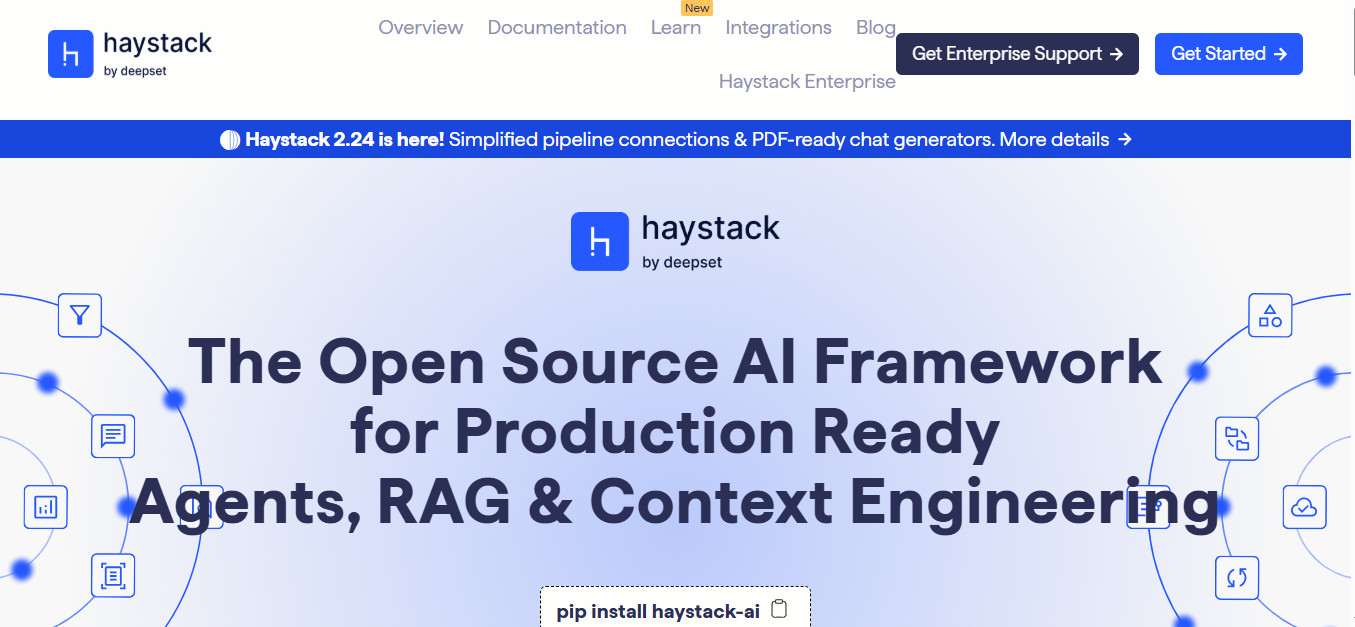
Haystack, traditionally known for retrieval systems, now supports advanced agent orchestration.
Key Strengths:
- Strong document retrieval
- RAG optimization
- Tool integration
- Enterprise deployment options
Ideal For: Knowledge-intensive enterprises and legal/healthcare sectors.
Haystack is frequently included among the Best AI Agent Frameworks where document reasoning is critical.
6. LlamaIndex Agents
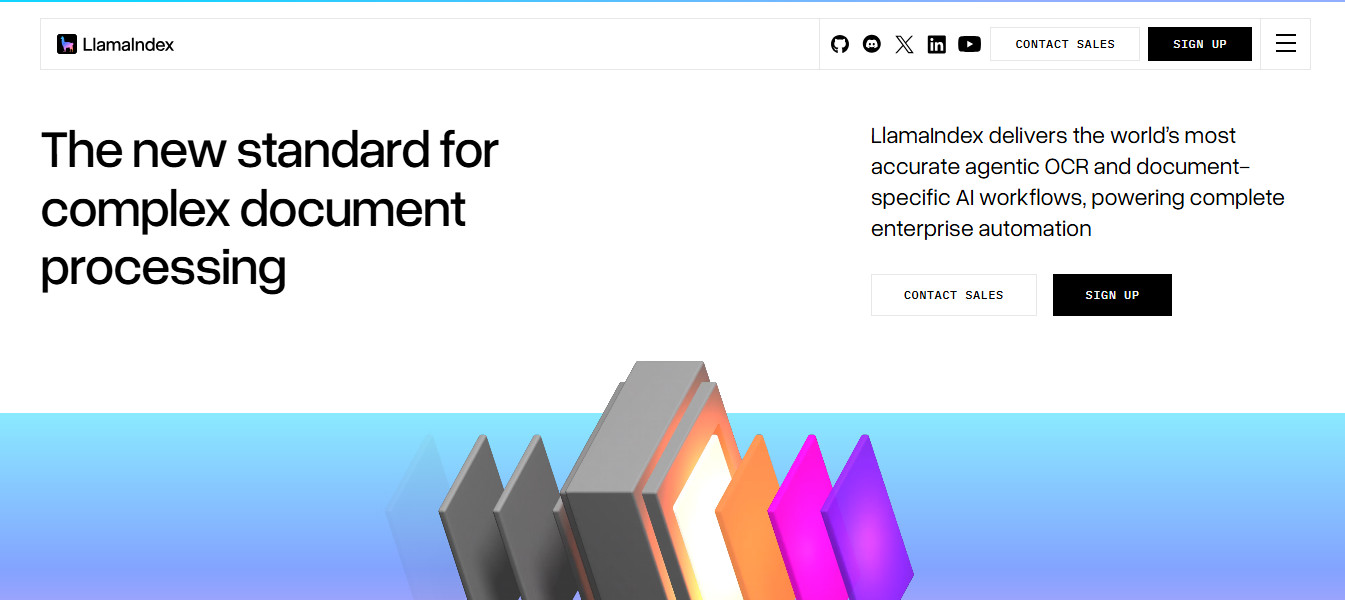
LlamaIndex has moved beyond indexing and into dynamic agent planning.
Key Strengths:
- Structured data connectors
- Context engineering tools
- Scalable architecture
- Flexible orchestration
Ideal For: Data-driven companies requiring contextual intelligence.
In most AI agent frameworks comparison discussions, LlamaIndex performs well in data integration depth.
7. OpenAgents
OpenAgents is gaining recognition as one of the Best AI Agent Frameworks for modular autonomy.
Key Strengths:
- Planning-first architecture
- Clean agent lifecycle design
- Expandable memory systems
Ideal For: Teams building autonomous decision systems.
Its growing community support strengthens its position among AI Agent Frameworks in 2026.
8. SuperAGI
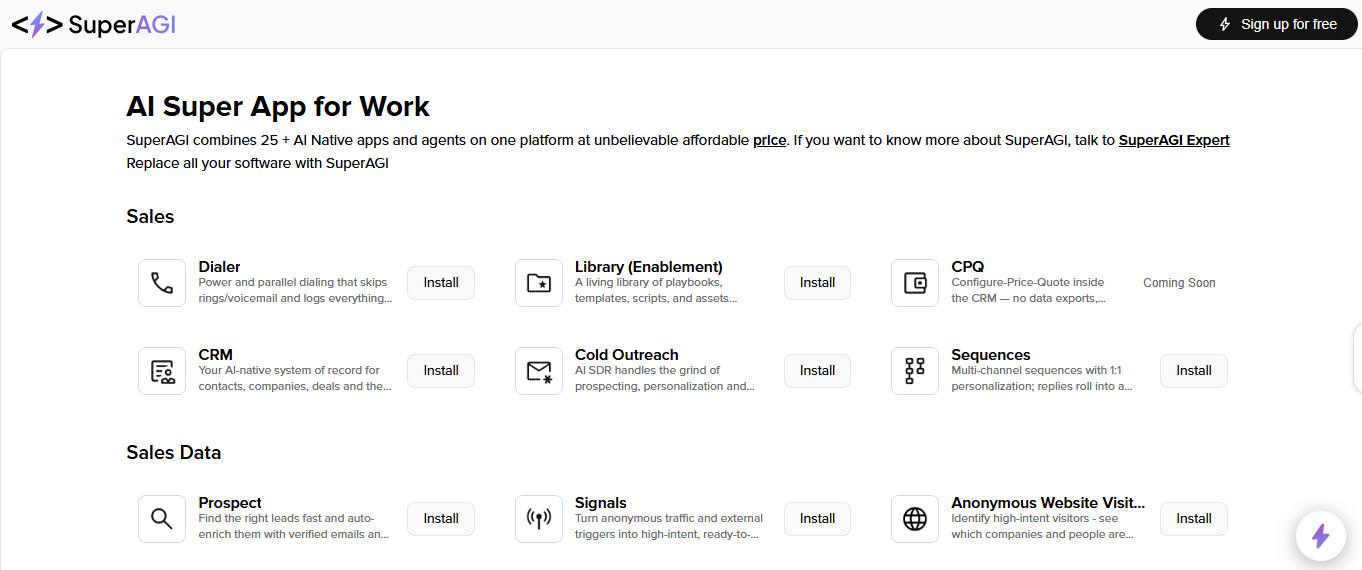
SuperAGI provides an integrated environment for autonomous task execution.
Key Strengths:
- Built-in vector database
- Marketplace for tools
- Monitoring dashboards
- Agent performance tracking
Ideal For: Companies seeking an all-in-one solution.
It is widely cited among Top AI agent frameworks focused on operational visibility.
9. MetaGPT
MetaGPT structures agents like software teams, assigning roles such as architect and engineer.
Key Strengths:
- Structured workflow hierarchy
- Clear role definitions
- Project-style execution models
Ideal For: Automated software generation and structured planning.
It stands out among open-source AI agent frameworks for role simulation design.
10. Marvin (Prefect)
Marvin integrates AI agents into workflow orchestration systems.
Key Strengths:
- Task automation
- Enterprise workflow reliability
- Strong integration ecosystem
Ideal For: Businesses already using Prefect workflows.
Marvin completes this list of the Best AI Agent Frameworks by bridging AI reasoning with operational systems.
AI Agent Frameworks Comparison Table
Below is a structured AI agent frameworks comparison to support strategic evaluation:
| Framework | Best For | Open Source | Multi-Agent Support | Enterprise Ready | Learning Curve |
| LangChain | General AI applications | Yes | Moderate | Moderate | Medium |
| Semantic Kernel | Enterprise ecosystems | Yes | Strong | High | Medium |
| AutoGen | Research & experimentation | Yes | Advanced | Moderate | High |
| CrewAI | Task delegation | Yes | Strong | Moderate | Low |
| Haystack | Retrieval-heavy systems | Yes | Moderate | High | Medium |
| LlamaIndex | Data integration | Yes | Moderate | High | Medium |
| OpenAgents | Autonomous decision systems | Yes | Strong | Growing | Medium |
| SuperAGI | All-in-one deployment | Partial | Advanced | High | Medium |
| MetaGPT | Structured role-based execution | Yes | Advanced | Moderate | High |
| Marvin | Workflow automation | Yes | Moderate | High | Medium |
This structured overview simplifies evaluation without oversimplifying technical depth.
How to Choose the Best AI Agent Frameworks for Your Business
Selecting from the Best AI Agent Frameworks requires alignment with business goals rather than popularity trends.
1. Define Use Case Complexity
If your agents require simple automation, lightweight frameworks such as CrewAI may suffice. Complex orchestration may require AutoGen or Semantic Kernel.
2. Evaluate Infrastructure Compatibility
Organizations deeply invested in Azure environments often prefer Semantic Kernel. Data-centric businesses may lean toward LlamaIndex or Haystack.
3. Assess Governance and Compliance
Enterprise teams must evaluate logging, auditability and access control capabilities.
4. Consider Total Cost of Ownership
Open-source options reduce licensing costs but increase internal maintenance requirements.
5. Plan for Scalability
Your chosen solution should evolve with multi-agent collaboration needs.
The strongest AI Agent Frameworks are not necessarily the most complex ones. They are the ones that integrate cleanly into your workflow and scale predictably.
Emerging Trends in AI Agent Frameworks (2026)
Several patterns are shaping the evolution of the Best AI Agent Frameworks:
- Increased support for persistent memory
- Built-in evaluation and testing tools
- Observability dashboards
- Autonomous error correction
- Hybrid cloud deployment models
The gap between research prototypes and production systems is narrowing rapidly.
Final Thoughts
The growth in autonomous systems is constantly redefining enterprise-level software architecture. The best AI agent frameworks in 2026 are now becoming the foundational business infrastructure.
Whether you are looking for open-source flexibility, multi-agent collaboration, or just a tool for managing enterprise compliances, the current technical ecosystem offers well-matured and highly scalable options. A well-arranged evaluation approach, which is supported by expertised AI agent framework companies, ensures that you select a solution aligned with long-term business objectives.
Adopting the right framework now positions your business to leverage autonomous intelligence responsibly and competitively.
FAQs
1. What are AI Agent Frameworks?
AI Agent Frameworks are development platforms that enable the creation, orchestration and deployment of autonomous AI agents capable of reasoning, planning and executing tasks.
2. Are AI agent frameworks open-source?
Many leading platforms are open-source, including LangChain, CrewAI, LlamaIndex and AutoGen. Open-source solutions offer flexibility but may require stronger internal engineering expertise.
3. Which framework is best for enterprise use?
Microsoft Semantic Kernel and Haystack are widely preferred for enterprise-grade deployments due to governance and infrastructure support.
4. How do I compare AI agent frameworks effectively?
A structured AI agent frameworks comparison should evaluate scalability, orchestration capabilities, memory systems, integration options, compliance readiness and cost efficiency.
5. Are multi-agent systems necessary?
Not always. Multi-agent systems are beneficial for complex workflows, collaborative reasoning and task specialization. For simpler use cases, single-agent frameworks may be sufficient.