
AI orchestration is one of the fastest-growing areas in technology today. As the enterprises also automate more of their operations, they have been increasingly relying on the frameworks that coordinate with numerous AI models, data systems and workflows. These are the best AI orchestration tools that allow teams to manage the complex AI environments while decreasing errors, enhancing scalability and cutting down on costs. The worldwide AI orchestration market is booming, with projections showing growth from USD 9-13 billion in 2024-25 to well over USD 30 billion in 2030. This shows a strong enterprise demand for tools that help unify disconnected AI components and make them work smoothly in unison.
These AI orchestration platforms are not about connecting models anymore in 2026. They are now being used to enable automated decision-making, governance at scale and cross-system workflows, which are important for digital transformation in industries like finance, healthcare and logistics.
This article will help you acquire knowledge on what AI orchestration tools are, which are the top tools to be considered in 2026, the key comparisons to make your decisions easier and how to choose them.
What is an AI Orchestration Tool?
An AI orchestration tool is software that helps in managing, integrating and scheduling multiple AI models and processes to work as one system. These are the tools that handle tasks like coordinating data flows, monitoring performance, launching AI agents and also automating workflows across diverse environments. They also act as a backbone that turns isolated AI components into measurable and reliable pipelines that deliver business outcomes.
Now, unlike the simpler automation or ML workflow tools, AI orchestration platforms also coordinate the entire systems right from pre-processing data to training models that deploy intelligent agents and also govern the execution. These tools also benefit the businesses in managing complexity, ensuring adherence, reducing manual overload and speeding up the innovation. In the modern enterprise, AI orchestration is the central grid to transforming experiments into a production-ready solution that will help in scaling.
Best AI Orchestration Tools in 2026
- Apache Airflow – Workflow automation with strong scheduling and extensibility.
- Prefect – Python-friendly orchestration with easy task retries.
- Kubeflow – Kubernetes-based platform for complex orchestration at scale.
- Dagster – Reliable data orchestration with developer-first design.
- AWS Step Functions – Cloud-native orchestration deeply integrated into AWS.
- Azure AI Orchestrator – Microsoft’s agent-aware orchestration across services.
- Google Workflows – Google Cloud orchestration with API and microservice support.
- Run:ai – Orchestrates AI compute resources for GPU/CPU efficiency.
- Domo – Business intelligence plus integrated AI workflow orchestration.
- Zapier AI Workflows – Low-code tool for simple cross-app AI automation.
Top 10 Best AI Orchestration Tools in 2026
1. Apache Airflow
Apache Airflow is constantly showcasing itself as one of the most trusted names amongst the Best AI Orchestration Tools, especially for the businesses that are into managing recurring and complex workflows. It often uses Directed Acyclic Graphs to define clear dependencies, which eventually helps teams in avoiding execution conflicts and silent failures.
Airflow works the best when it comes to the control and transparency offered by orchestration logics, rather than just a black-box automation. Its open-source nature has eventually led to a massive ecosystem of integration across data engineering and AI pipelines.
Key strengths include:
- Strong scheduling and dependency management
- Easy integration with ML, data and cloud services
- Mature community support and long-term stability
For teams prioritising reliability over simplicity, Airflow remains a dependable orchestration agent backbone.
2. Prefect
Prefect is specifically designed for teams that need orchestration without unnecessary operational complexity. It also offers a Python-first experience that feels natural for the developers building workflow logics and AI pipelines. Unlike older orchestration systems, Prefect successfully handles failures and offers real-time visibility into the task.
The main reason why Prefects always sit at the highlighted position is their ability to separate workflow definition from its execution, helping teams to deploy the same orchestration logic across environments with minimal changes.
Why teams choose Prefect:
- Clean Python APIs and fast learning curve
- Built-in retries, state handling and observability
- Flexible deployment options across cloud and local setups
It fits well within modern AI orchestration architecture focused on agility and developer productivity.
3. Kubeflow
KubeFlow is a purpose-built platform specifically for businesses running AI workflows on Kubernetes. It eventually orchestrates the overall lifecycle of the machine learning workflow (from training and hyperparameter tuning to deployment and monitoring). Kubeflow reflects an environment where scalability and resource efficiency are often critical and unexpected.
Rather than abstracting Kubernetes away from the systems, Kubeflow enhances it, making it perfect for teams with a container-first strategy and DevOps maturity.
Core advantages:
- Native Kubernetes integration
- Scales efficiently for large AI workloads
- Strong support for experimentation and production pipelines
Among AI orchestration companies targeting enterprise-scale systems, Kubeflow remains a strategic choice.
4. Dagster
Dagster approaches orchestration with a strong focus on data reliability and software engineering best practices. It treats pipelines as versioned assets rather than simple tasks, which improves testing, validation and long-term maintainability.
Dagster is particularly valuable for AI teams where data quality directly impacts model outcomes. Its tooling encourages proactive error detection instead of reactive debugging.
Notable features:
- Asset-based orchestration model
- Clear dependency graphs and validations
- Excellent developer tooling and UI
It fits naturally into data-driven AI orchestration architecture where correctness matters as much as speed.
5. AWS Step Functions
AWS Step Functions provide a cloud-native way to orchestrate AI workflows across the AWS ecosystem. It enables teams to coordinate services like Lambda, SageMaker and data stores using visual or code-based state machines.
For organisations already invested in AWS, Step Functions reduce operational overhead by eliminating the need for separate orchestration infrastructure.
Key benefits:
• Deep AWS service integration
• Built-in retries, branching and monitoring
• Highly reliable and scalable execution
It is often chosen as the AI agent orchestration platform for serverless and event-driven architectures.
6. Azure AI Orchestrator
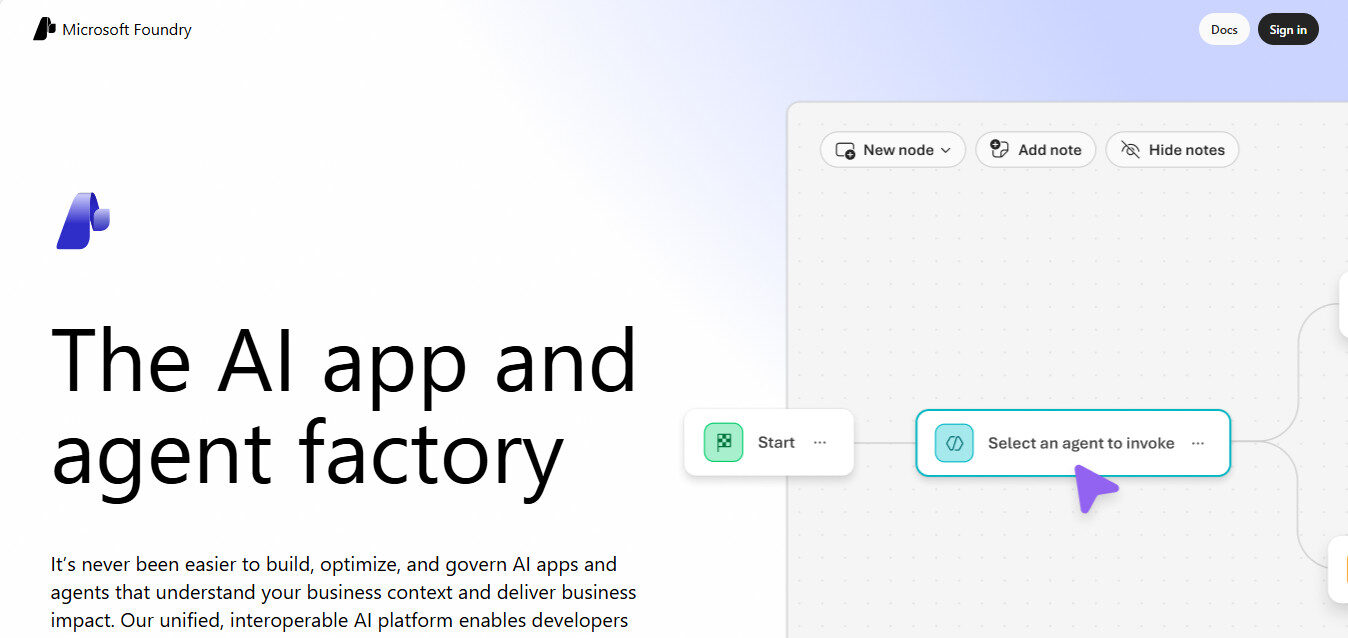
Azure AI Orchestrator focuses on managing multi-agent AI systems across Microsoft’s cloud services. It enables coordination between AI orchestration agents, data pipelines and enterprise applications while maintaining compliance and governance.
The platform is well suited for enterprises building AI solutions across Microsoft ecosystems such as Azure Machine Learning and Cognitive Services.
Why enterprises prefer it:
- Strong governance and security controls
- Native support for agent-based AI workflows
- Seamless integration with Azure services
It aligns well with organisations adopting AI at scale within regulated environments.
7. Google Workflows
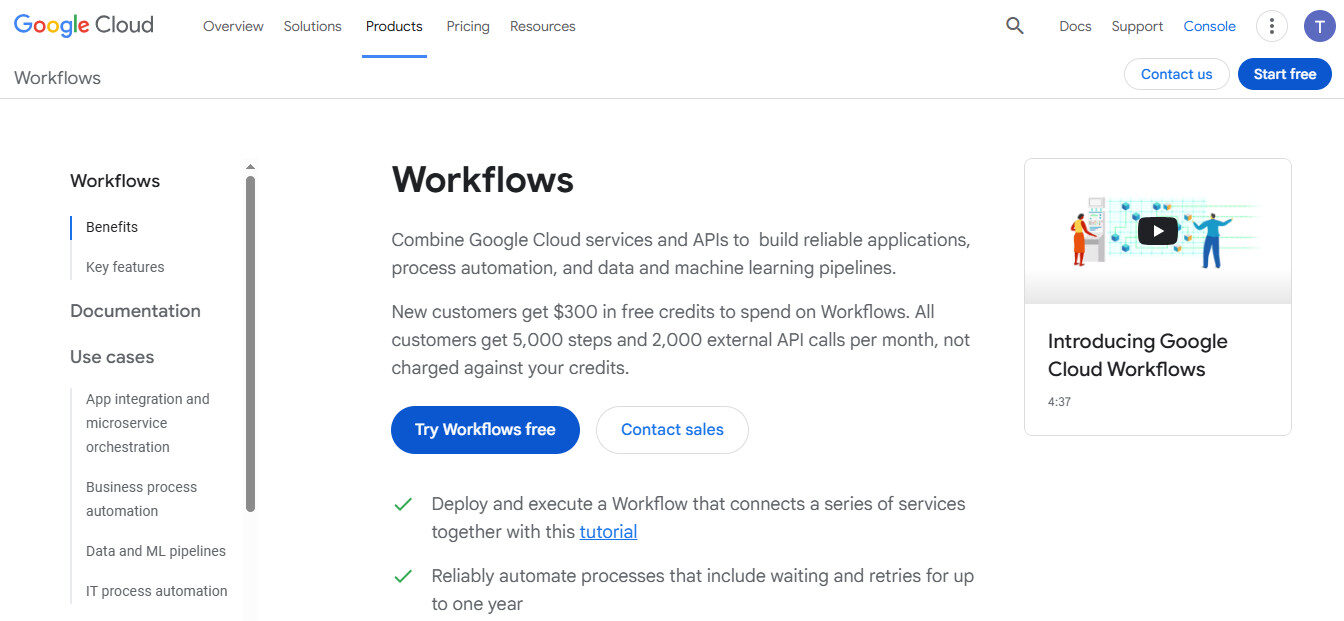
Google Workflows offers lightweight orchestration for API-driven and microservice-based AI systems. It allows teams to define workflows using simple YAML syntax while integrating tightly with Google Cloud services.
This tool is particularly effective for orchestrating inference pipelines and data processing flows without managing servers or containers.
Strengths include:
- Simple workflow definitions
- Native integration with Google Cloud APIs
- Cost-efficient execution model
It fits best where flexibility and simplicity matter more than deep custom orchestration logic.
8. Run:ai
Run:ai focuses on orchestrating compute resources rather than workflows alone. It helps AI teams maximise GPU and CPU utilisation by dynamically allocating resources across multiple workloads and teams.
As AI infrastructure costs rise, Run:ai plays a critical role in optimising resource efficiency for large-scale training and inference environments.
Key capabilities:
- Intelligent GPU and CPU scheduling
- Fair resource allocation across teams
- Improved utilisation and cost control
It complements traditional Best workflow orchestration tools by managing the infrastructure layer effectively.
9. Domo
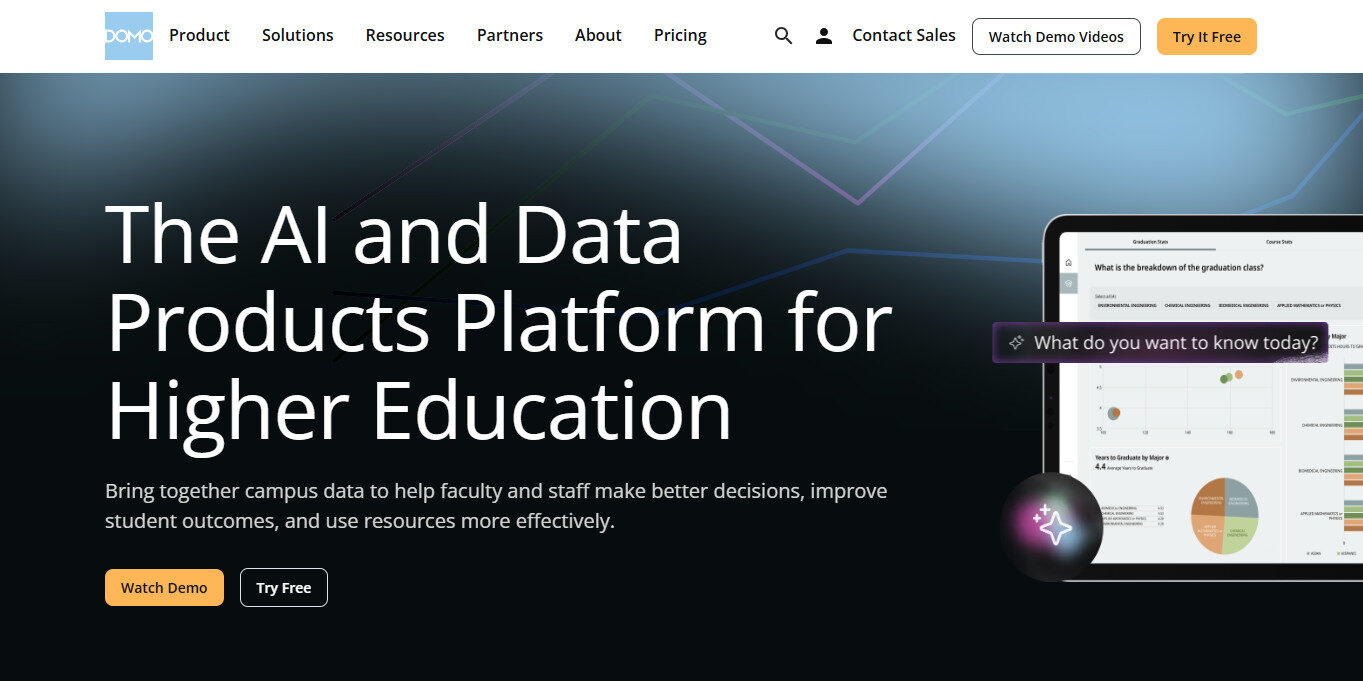
Demo is an impressive platform that blends data iteration orchestration and analytics into a single business-focused tool. IT eventually allows businesses to orchestrate AI driven workflows while keeping the business insights accessible even to the non-technical stakeholders.
Unlike developer-centric platforms, Demo also prioritises usability without any boundaries, offering a surface without completely sacrificing flexibility.
Why it stands out:
- Visual workflow orchestration
- Strong data connectivity and dashboards
- Business-friendly AI execution
It is often chosen by organisations that want Best AI orchestration platforms bridging technical and business teams.
10. Zapier AI Workflows
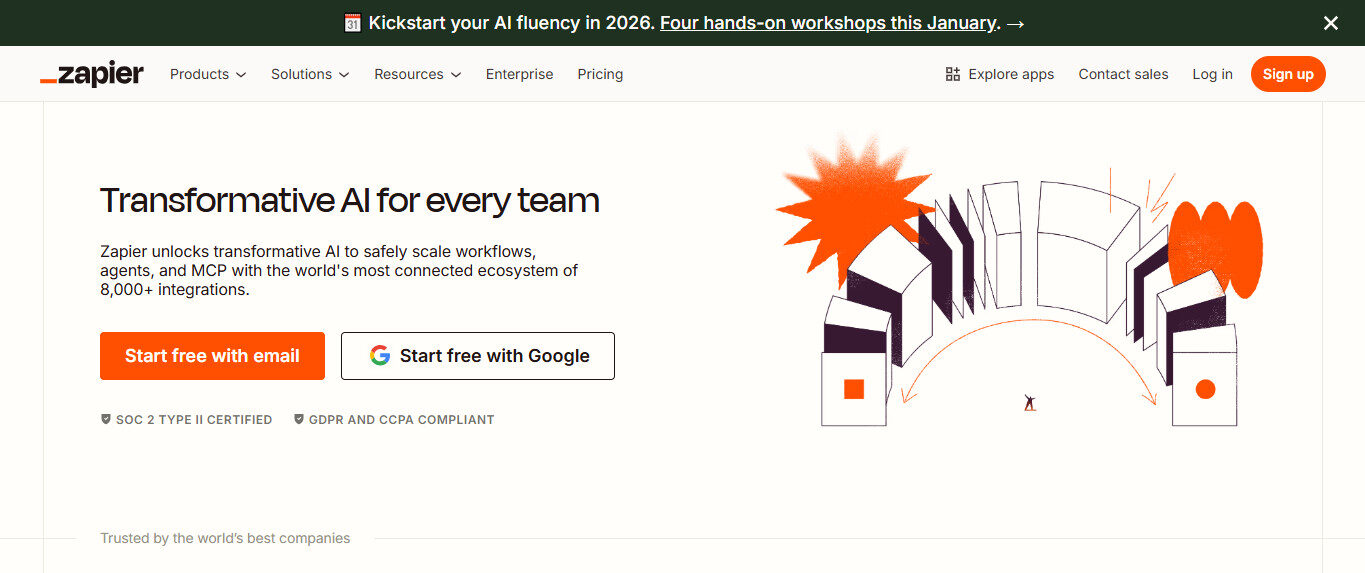
Zapier AI Workflows bring orchestration to users without engineering backgrounds. It connects AI services, applications and triggers into simple automated flows that can be deployed in minutes.
While it does not replace enterprise orchestration platforms, Zapier fills an important gap for lightweight automation and rapid experimentation.
Best suited for:
- Simple AI-powered task automation
- Cross-application integrations
- Non-technical teams and startups
As AI adoption broadens, Zapier plays a growing role among AI orchestration companies serving smaller teams.
Choosing the Best AI Orchestration Tools in 2026
Selecting the right orchestration solution depends on your architecture, team skills and workloads. Here’s how to think about it:
Use case and scale
- For heavy data and model pipelines, tools like Apache Airflow, Kubeflow and Prefect are proven choices.
- For cloud-native workflows with minimal infrastructure, AWS Step Functions or Google Workflows are solid.
Integration and ecosystem
- If your AI ecosystem lives in a particular cloud, pick the orchestration agent platform that meshes with it (Azure AI Orchestrator for Microsoft Azure, Run:ai for GPU scales).
- Teams needing low-code or business-orientated orchestration often prefer Domo or Zapier AI Workflows.
Workflow complexity and governance
- Tools with built-in monitoring, retries and state control (like Dagster and Prefect) reduce risk and operational overhead.
- Enterprise environments that need strict compliance and security will value cloud vendor integrations and role-based access controls.
Team expertise
- Developer-centric tools require coding skills but offer deep customisations.
- Visual or low-code platforms let business teams automate without heavy engineering lift.
In short, define your goals, match them to orchestration needs and balance ease of use with control and visibility.
Quick Comparisons Table
| Tool | Best for | Cloud / On-Prem | Skill Level |
| Apache Airflow | Complex workflows | Both | Dev |
| Prefect | Python workflows | Both | Dev |
| Kubeflow | Large-scale Kubernetes | Cloud / On-Prem | DevOps |
| Dagster | Data orchestration | Both | Dev |
| AWS Step Functions | AWS ecosystem | Cloud | Mixed |
| Azure AI Orchestrator | Multi-agent orchestration | Cloud | Mixed |
| Google Workflows | API orchestration | Cloud | Mixed |
| Run: ai | Resource orchestration | Cloud | DevOps |
| Domo | Business-oriented | Cloud | Non-Dev/Dev |
| Zapier AI Workflows | Simple cross-app | Cloud | Non-Dev |
This table highlights where each platform fits best. Choose based on scale, cloud preference and how much coding your team can support.
Conclusion
The rise of Best AI Orchestration tools showcases how businesses are moving from isolated AI pilots to an orchestrated and production-ready workflow. This orchestration market is continuously expanding, with analytics projecting a multi-billion-dollar growth, specifically by the end of the decade. The core reason behind this is that businesses are constantly adapting integrated AI systems at scale.
In 2026, there is nothing like one-tool-fix-for-all. Rather than this, teams are expected to focus more on matching capabilities to the business needs, considering several factors such as team expertise, integrated needs, orchestration complexities and cloud strategies. Tools such as Prefect, Apache Airflow, and Kubeflow access data-intensive pipelines. On the other hand, cloud-native platforms such as AWS Step functions and Azure AI orchestrator access large enterprises. If we talk about Low-code options, Dome and Zapier can be the best AI workflows that can expand access to orchestration beyond the traditional engineering teams.
The future of AI orchestration lies in platforms that unify AI models, automate dependencies and deliver measurable outcomes reliably and securely.
FAQ
What makes a good AI orchestration tool?
A strong tool manages dependencies, automates tasks reliably, scales across environments and offers governance. Integration with your stack also matters.
Are orchestration platforms only for developers?
No. Some, like Zapier AI Workflows and Domo, offer interfaces for business users, while others require coding.
Do cloud providers offer orchestration?
Yes. AWS Step Functions, Azure AI Orchestrator and Google Workflows integrate tightly with their clouds.
Is orchestration the same as automation?
Orchestration includes automation but adds coordination across systems and models.
Will AI orchestration continue to grow?
Yes. Market growth projections show substantial expansion through the decade.