
TechNow, operating from Berlin, builds practical AI systems for Heidelberg businesses. The city holds one of Germany's densest concentrations of life science and software firms, and that specific context shapes how we work. We translate real operational challenges into AI that cuts costs, sharpens decisions, and frees your teams from repetitive work.
lf you have any questions, please do get in touch with us!
Heidelberg's economy runs on knowledge. The Ruprecht-Karls-Universität, DKFZ, and EMBL create a research density few German cities match. Around that academic core, a dense ring of biotech spinoffs, medical device manufacturers, and specialized software companies has built up over decades. That mix creates a specific business challenge: organizations with deep technical expertise but limited capacity to operationalize data at scale. Processing large volumes of clinical trial records, automating compliance workflows, or extracting signal from complex B2B pipelines requires AI tuned to your domain, not pulled from a general-purpose catalog. TechNow works from Berlin, embedded in one of Europe's most active AI development communities. We bring that depth directly to Heidelberg clients. We map your workflows, identify the highest-value automation points, and build systems that slot into how you actually operate, not how a template assumes you do. AI agency
We guarantee you a better business transformation by futuristically working
We smartly identify the right massage and value positioning
Developing customized AI solutions which get aligned with your goals
Seamless integration of AI tools and continuous refining of models for maximizing performance
We deeply investigate the programs and will offer you ongoing support to manage its implementation.
We provide you continuous support and scalable options to drive long-term success
Strategy-first: a documented roadmap before any build begins
Berlin-based team with deep roots in Europe's AI development community
Domain-specific model selection, not off-the-shelf defaults
Sprint-based implementation with no disruptive wholesale rollouts
Continuous testing built into the build cycle, not added at the end
Structured post-launch support and regular iteration cycles
Proven across biotech, B2B software, and knowledge-intensive sectors

Heidelberg's BioRN cluster and DKFZ spinoffs generate large, complex datasets. We build pipelines for automated data annotation, literature screening, and regulatory document processing that cut weeks from research cycles.
B2B software firms in the Heidelberg-Mannheim corridor face pressure to ship AI features quickly. We help product teams integrate LLM-based functionality and automated QA without derailing existing development velocity.
MedTech companies here handle imaging data, device telemetry, and clinical documentation. We build AI modules for anomaly detection, automated reporting, and compliance-ready audit trails that hold up to regulatory scrutiny.
Universities and institutes need AI for research data management, grant writing support, and administrative automation. We build tools that respect data governance requirements and research ethics frameworks.
Heidelberg draws millions of visitors annually. Hotels, tour operators, and event organizers apply AI for dynamic pricing, multilingual customer query handling, and seasonal demand forecasting.
Academic and specialist publishers based in the region use AI for automated content tagging, translation assistance, and recommendation engines. We bring structured experience in editorial workflow automation.





Heidelberg's life science sector produces data at a scale most internal IT teams are not equipped to handle. TechNow brings AI pipeline experience specifically in clinical and research data contexts, delivered from Berlin with the same structured process applied across all client engagements, remote delivery does not mean reduced depth.
A focused automation project, such as document processing or a prediction model, usually runs four to eight weeks from strategy to go-live. Larger integrations involving multiple data sources take three to five months. Timelines are set during the strategy phase and treated as commitments, not estimates.
No. Interfaces and workflows are designed so that daily users need no data science knowledge. Where brief orientation helps, we provide structured onboarding documentation. The technical complexity sits on our side, and the output your team sees is straightforward and actionable.
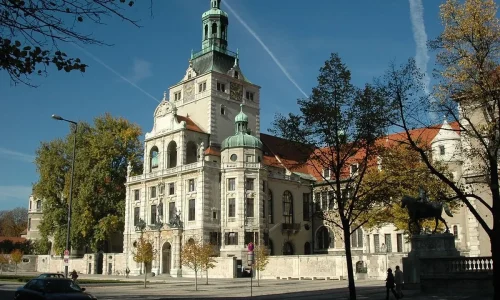
This iconic castle is in ruins in the present time and is known to be a very famous tourist attraction, which offers panoramic views of the city and the areas surrounding the castle.
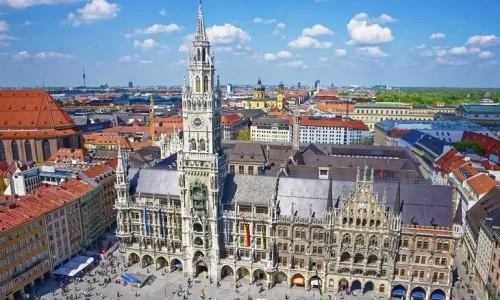
The university For Our Heidelberg Clients, Germany, is the oldest college in the country and is one of the reputable universities in Europe. The city of Heidelberg is also known as a scientific hub because of the presence of numerous international research hubs adjacent to the university.
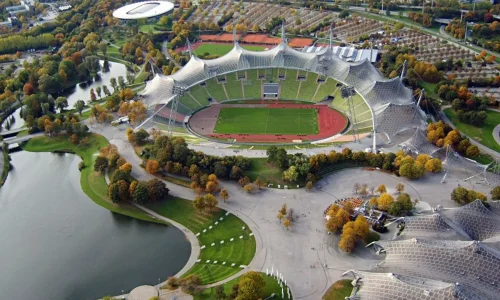
The city that is known for its romantic atmosphere and historical significance on the European continent, is also known for serving mouth-watering dishes like Swabian specialities and Baden-style dishes, which are often enjoyed with local wines.